Evening storefront impact
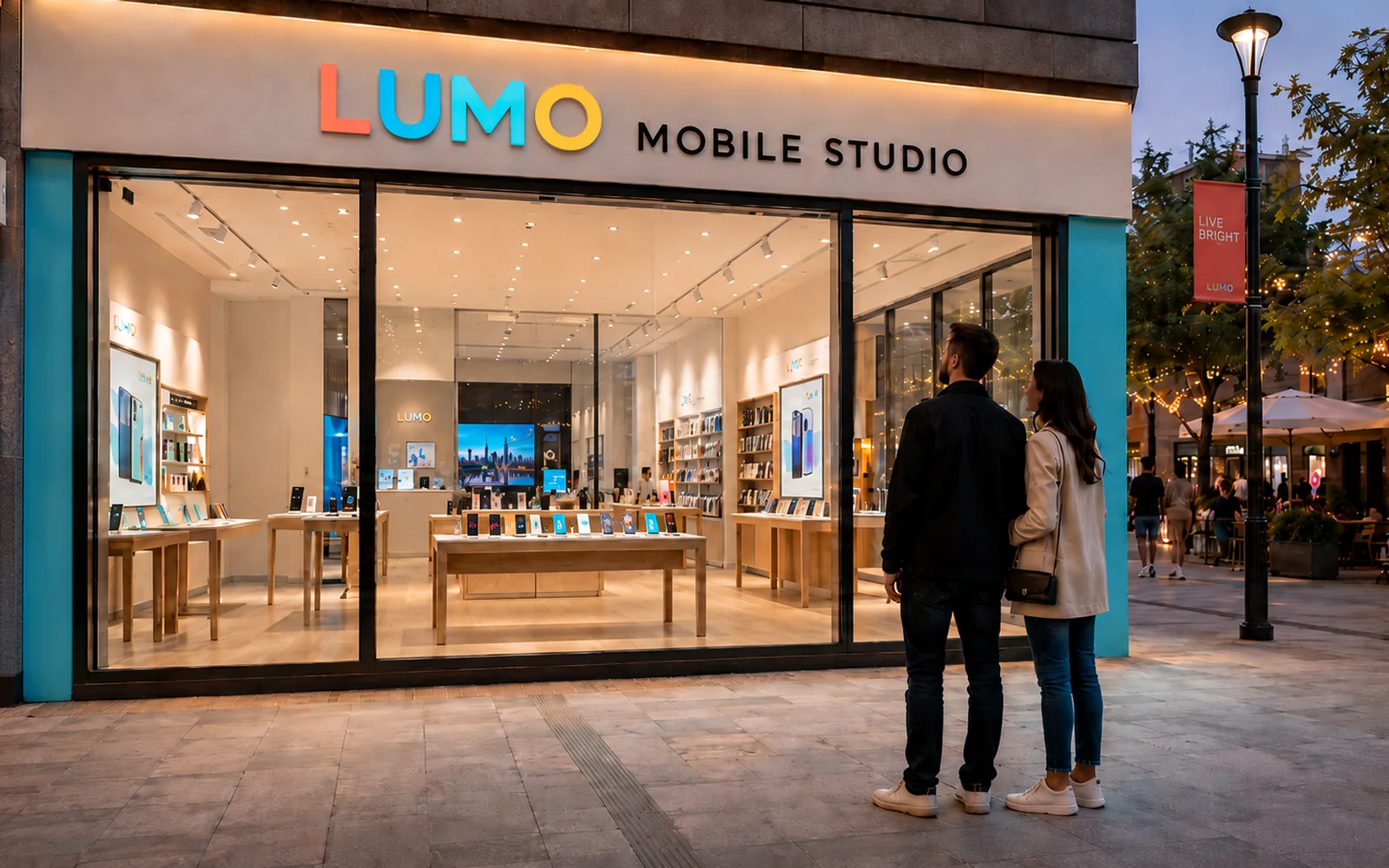
Make windows more active during darker hours when projection visibility can become more effective, depending on project conditions.
Keep consultation rooms, VIP areas and showroom partitions open when visibility helps—then create visual discretion when customers, staff or products need it.
 Clear
Projection
Clear
Projection
Glass keeps boutiques, showrooms and customer areas open and welcoming. The same visibility can expose a fitting, consultation, payment discussion, VIP appointment, product reveal or back-of-store activity at the wrong moment.
Switchable privacy glass addresses that conflict. Suitable glass can remain clear for normal operation and change to a translucent privacy state when the room or display needs visual discretion.
Switchable privacy is most useful where permanent frosting would close the space, but constant visibility would expose people, conversations or selected products.
Rear projection film turns suitable glass into a surface for campaign content. It does not create the same privacy function as PDLC Smart Film or laminated Smart Glass, so display goals, lighting and equipment are reviewed as a separate project path.
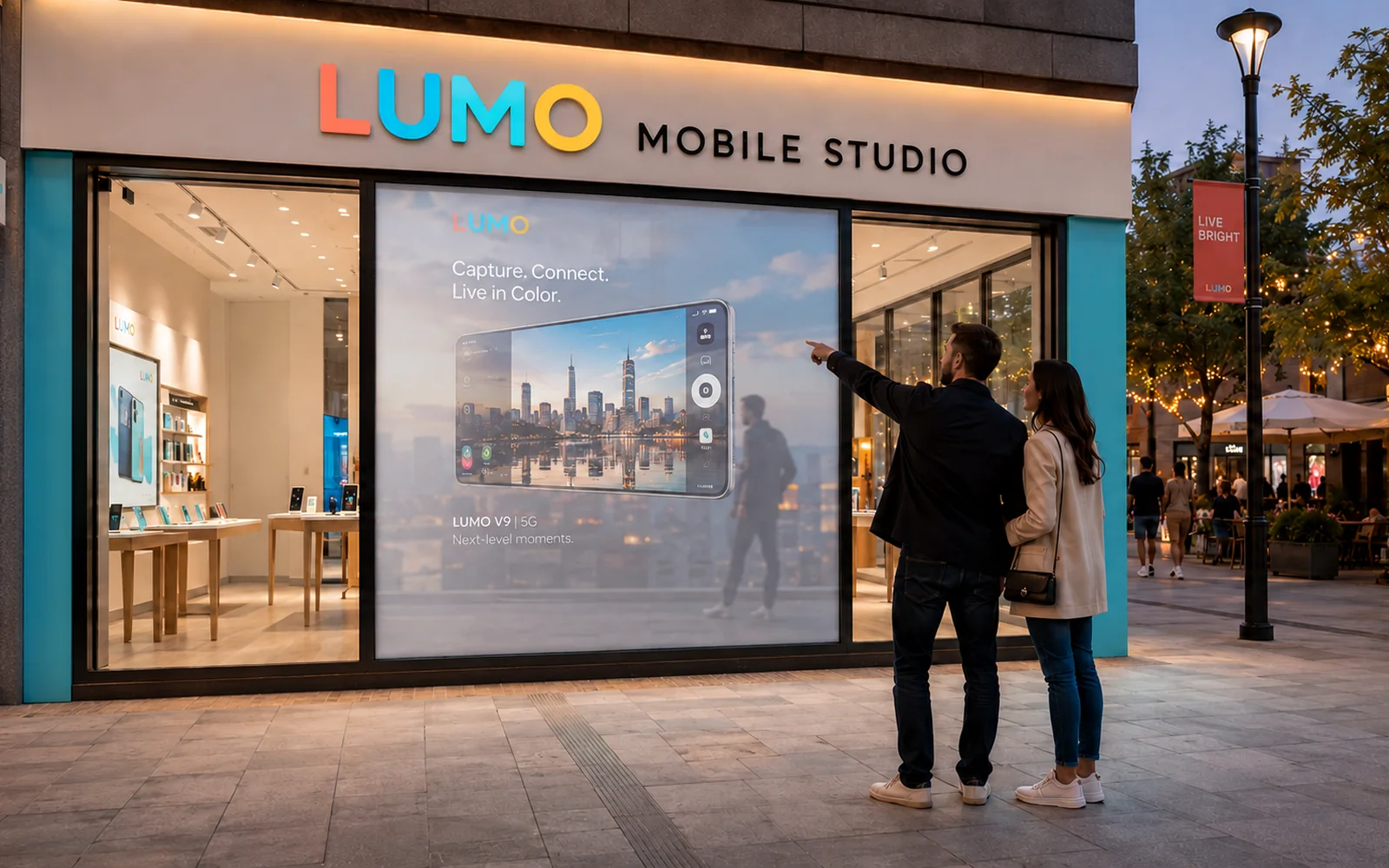
Make windows more active during darker hours when projection visibility can become more effective, depending on project conditions.
Use storefront glass to introduce new products, collections or seasonal releases with stronger street-facing presentation.
Support branded visuals, promotional graphics and campaign content without committing to a permanent display wall.
Glass, projection distance, ambient light and mounting conditions must be reviewed before the right configuration is selected.
 Clear
Projection
Clear
Projection
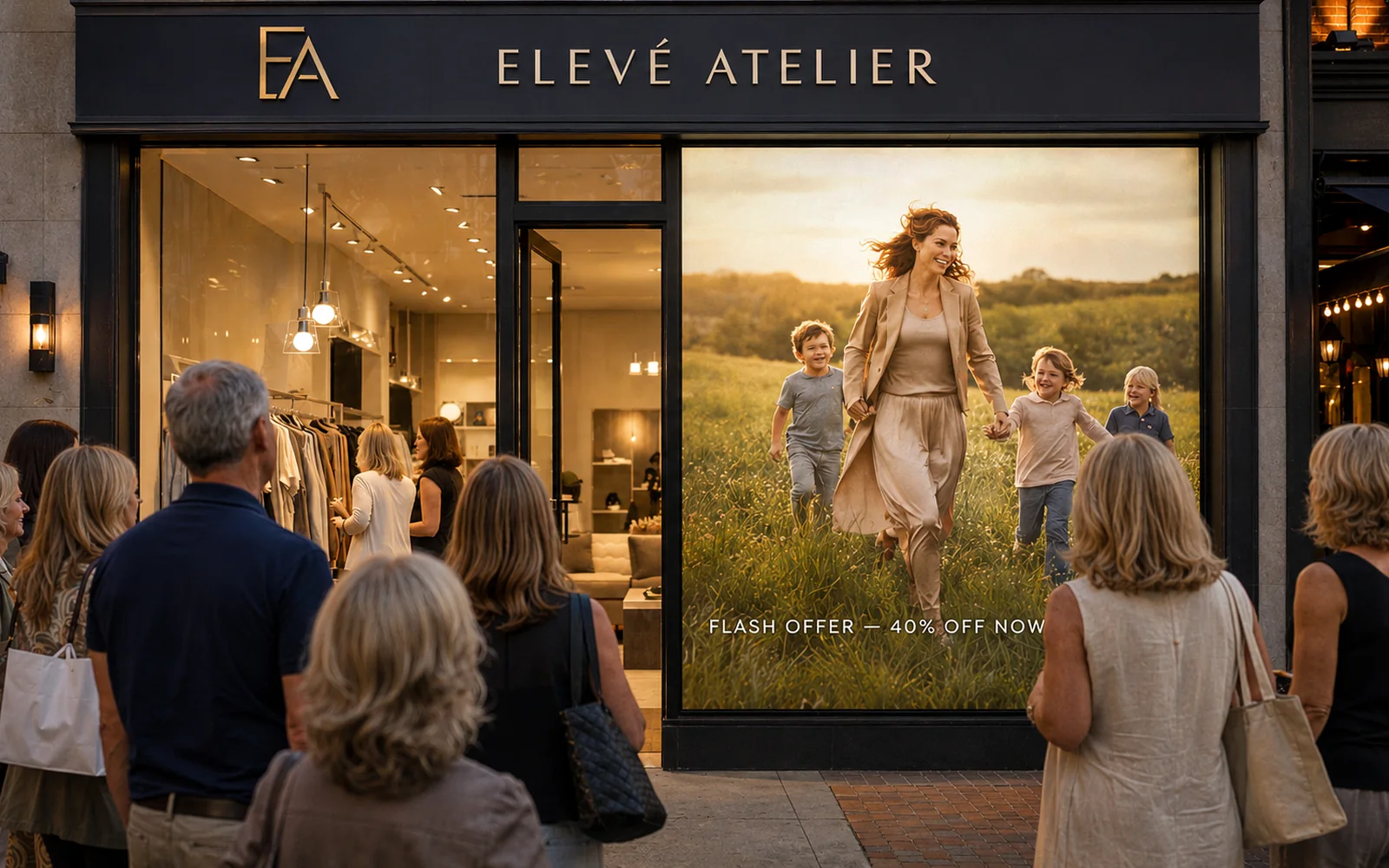
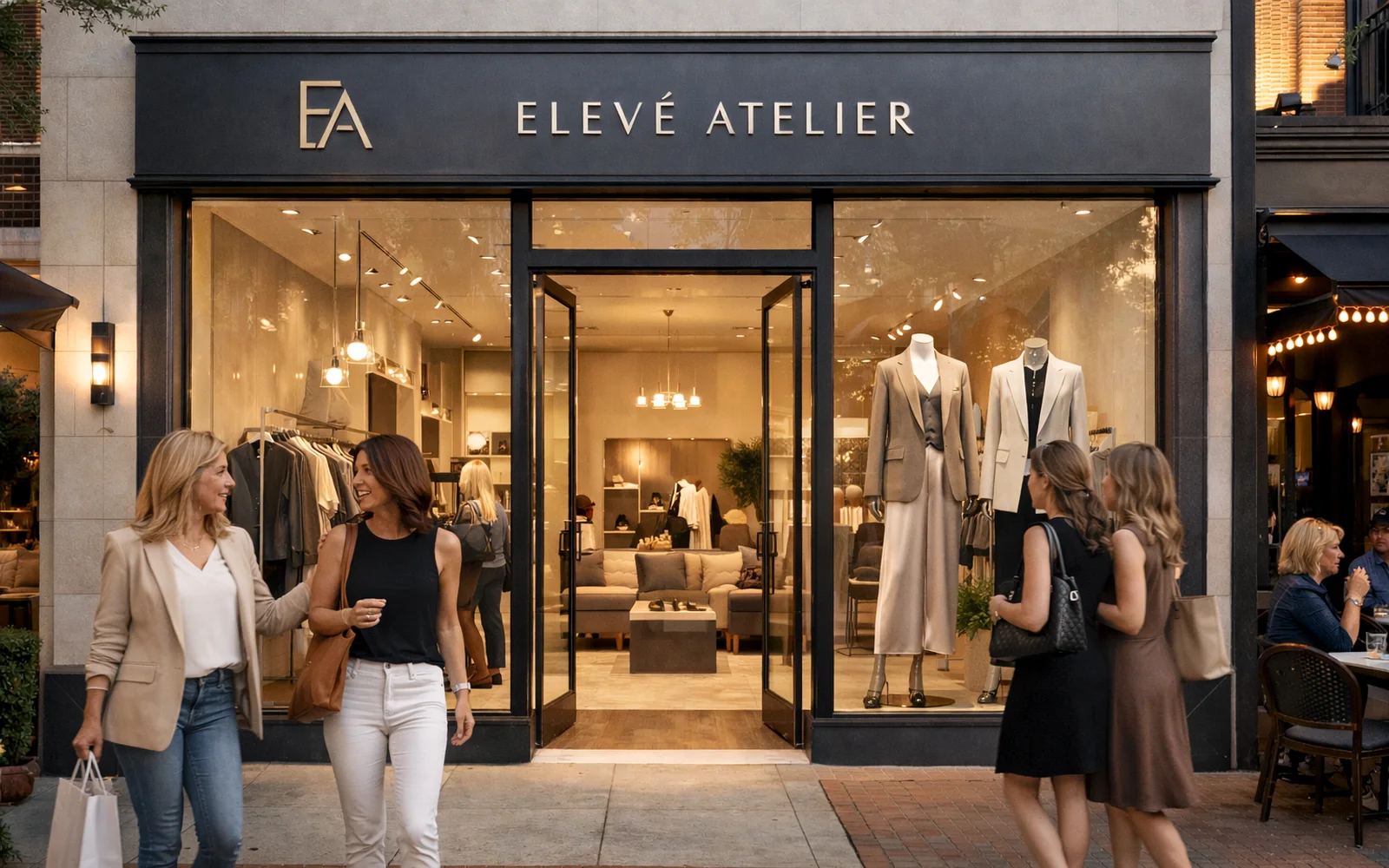
Boutiques and premium stores need storefronts that feel refined during normal hours and visually active during campaign moments.
Projection glass can support promotional launches, seasonal visuals and branded storytelling without making the storefront look like a generic screen installation.
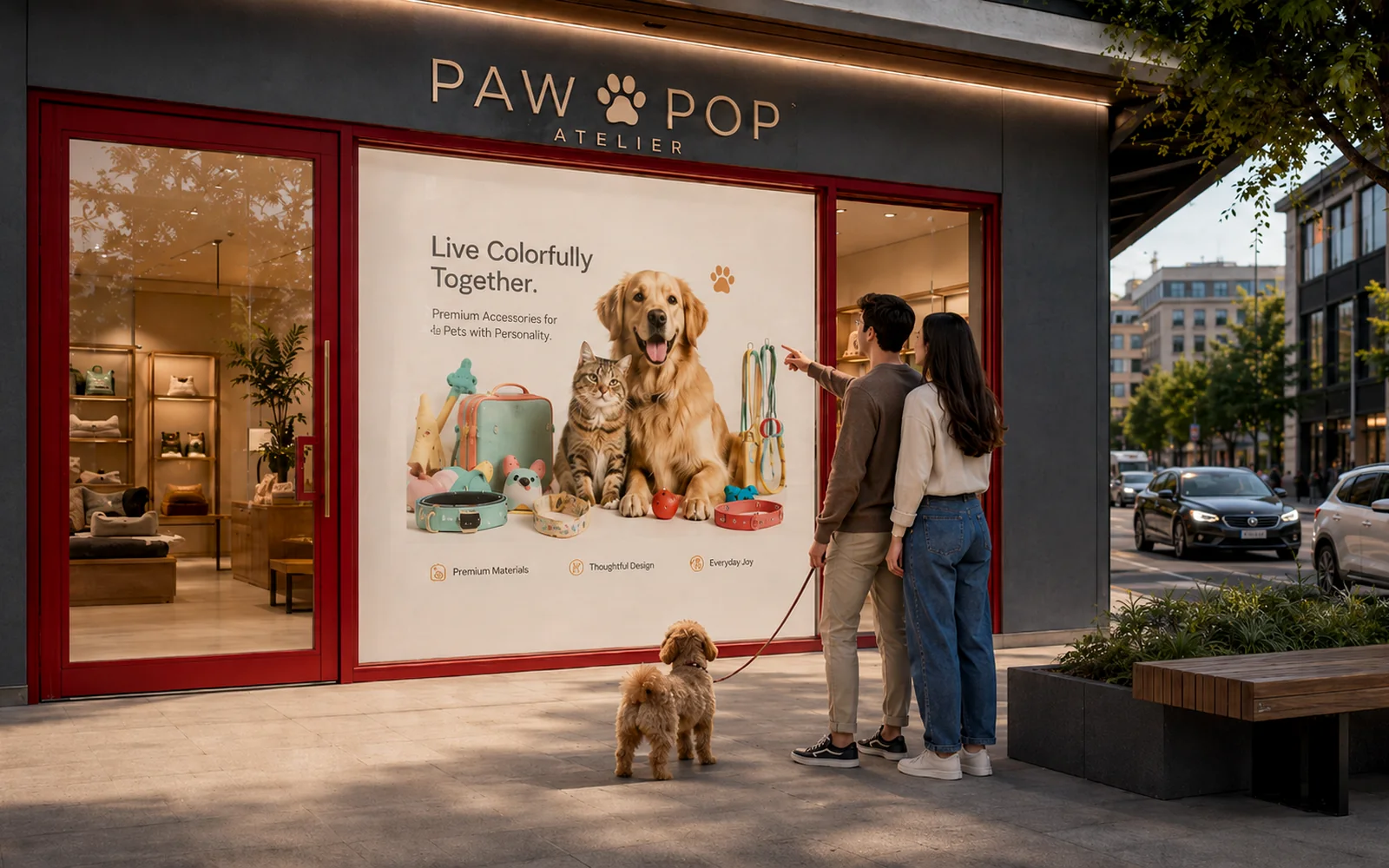
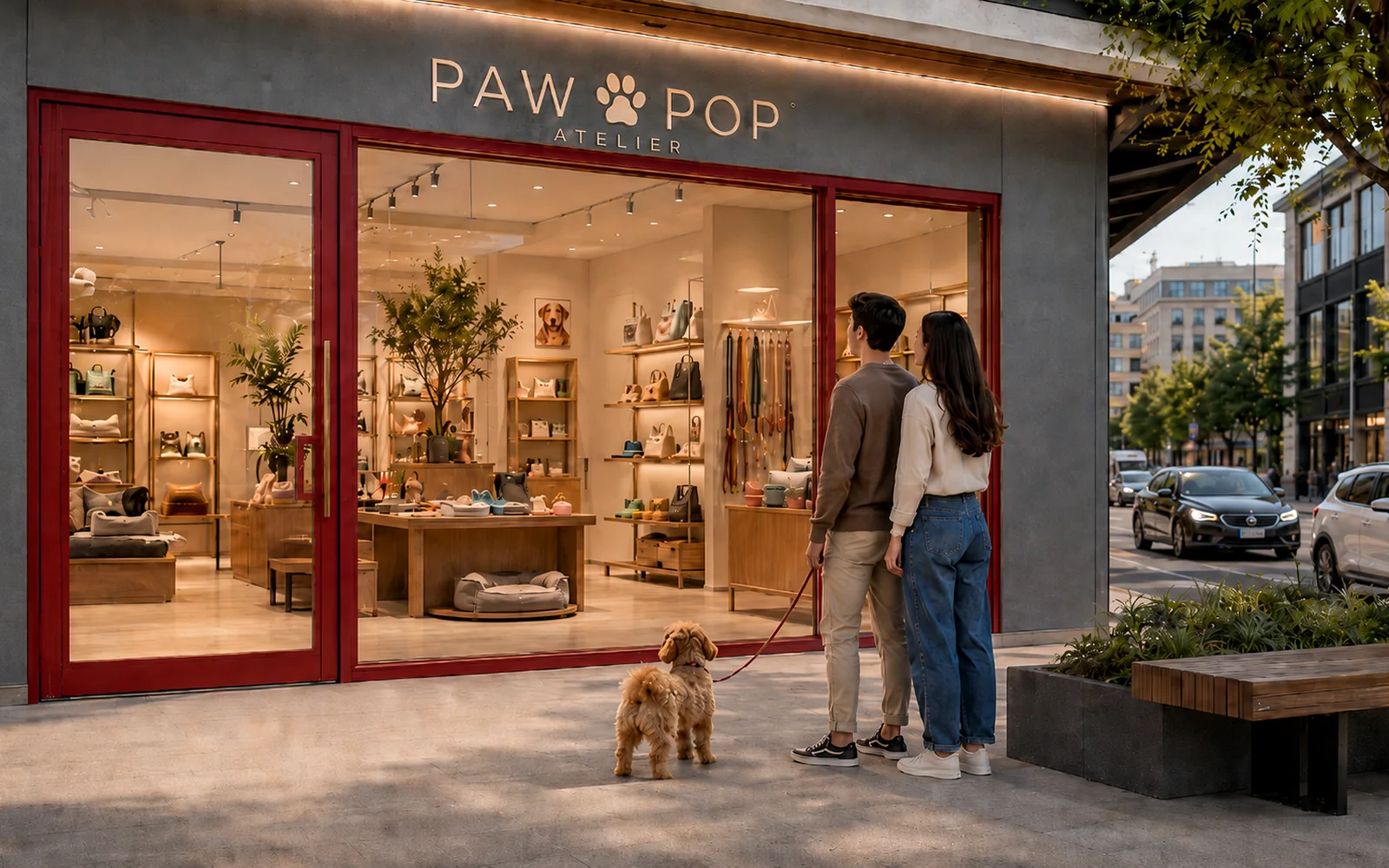
Local businesses can use smart retail glass concepts to make windows more noticeable, explain products faster and create stronger street-level engagement.
For pet accessory stores, product shops, local showrooms and specialty retailers, the storefront can become a clearer communication surface for promotions, featured items and after-hours messaging.
 Clear
Projection
Clear
Projection
Existing-glass privacy, new-glass privacy and projected campaign content require different products, installation details and performance expectations.
Best for switchable visual privacy on suitable existing glass in consultation rooms, VIP areas, back-of-store zones and showroom partitions.
Best for new fabricated panels and premium retail interiors where the switchable layer should be integrated into the glass assembly.
Best for projected campaigns and dynamic content on suitable storefront glass. It is a display surface, not the same privacy solution as PDLC smart film or laminated smart glass.
The review separates privacy projects from display projects and identifies whether suitable existing glass, new fabricated glass or a rear-projection configuration fits the intended retail use.
The right privacy-glass path preserves openness during normal use and limits unwanted visibility at the moments that require discretion. Projection remains an optional, separate display path.
Add visual discretion for consultations, fittings, payment discussions and VIP appointments.
Return suitable glass to a clear state when customer visibility and openness are useful.
Keep the flexibility of glass instead of committing every moment to a fixed privacy treatment.
Evaluate PDLC Smart Film for suitable existing glass or laminated Smart Glass for new panels.
Limit visible coverings where a clean architectural treatment fits the project.
Create controlled visibility between showrooms, service areas and back-of-store spaces.
Review rear projection separately when campaign content—not privacy—is the actual goal.
Align glass professionals, installers, designers and commercial project teams around one defined use.
SmartGlass USA supports project review for commercial retail teams and the professionals who specify, install or coordinate storefront glass systems.
Tell us the privacy moment, project location and whether the glass already exists. If the goal is projection instead, say so and we’ll review it as a separate display path.
Clear answers about retail visual privacy, product fit and the separate role of rear projection.
Smart glass for retail spaces provides switchable visual privacy for consultation rooms, VIP areas, showroom partitions and other spaces that should feel open until discretion is needed. Rear projection is a separate display application with different equipment and performance requirements.
Rear projection film is a display surface applied to or integrated with glass so projected visuals can be seen from the viewing side of the storefront. It can support campaigns, product launches, seasonal graphics and showroom visibility when the lighting, projection distance and glass conditions are appropriate.
A retail window may be configured as a projection display when the glass, light conditions, interior projection distance, mounting position and content goals are suitable. SmartGlass USA reviews the project before recommending a storefront projection configuration.
No. PDLC privacy glass and smart film create a translucent privacy state for visual discretion. Rear projection film creates a display surface for projected content. A project may consider both, but they solve different problems and require separate review.
Yes. Boutiques and showrooms can use smart glass concepts, rear projection film or switchable glass to support product launches, premium window campaigns, controlled visibility and branded storefront moments. The best configuration depends on the storefront design and display goals.
Daytime projection performance depends on ambient light, projector brightness, glass orientation, content contrast and the specific project configuration. Direct sunlight and high ambient light can reduce visibility, so SmartGlass USA reviews lighting conditions before recommending a setup.
Pricing requires a project review. SmartGlass USA typically needs storefront dimensions, glass condition, exposure, desired visibility, project timeline, available electrical access and campaign goals before recommending a configuration.