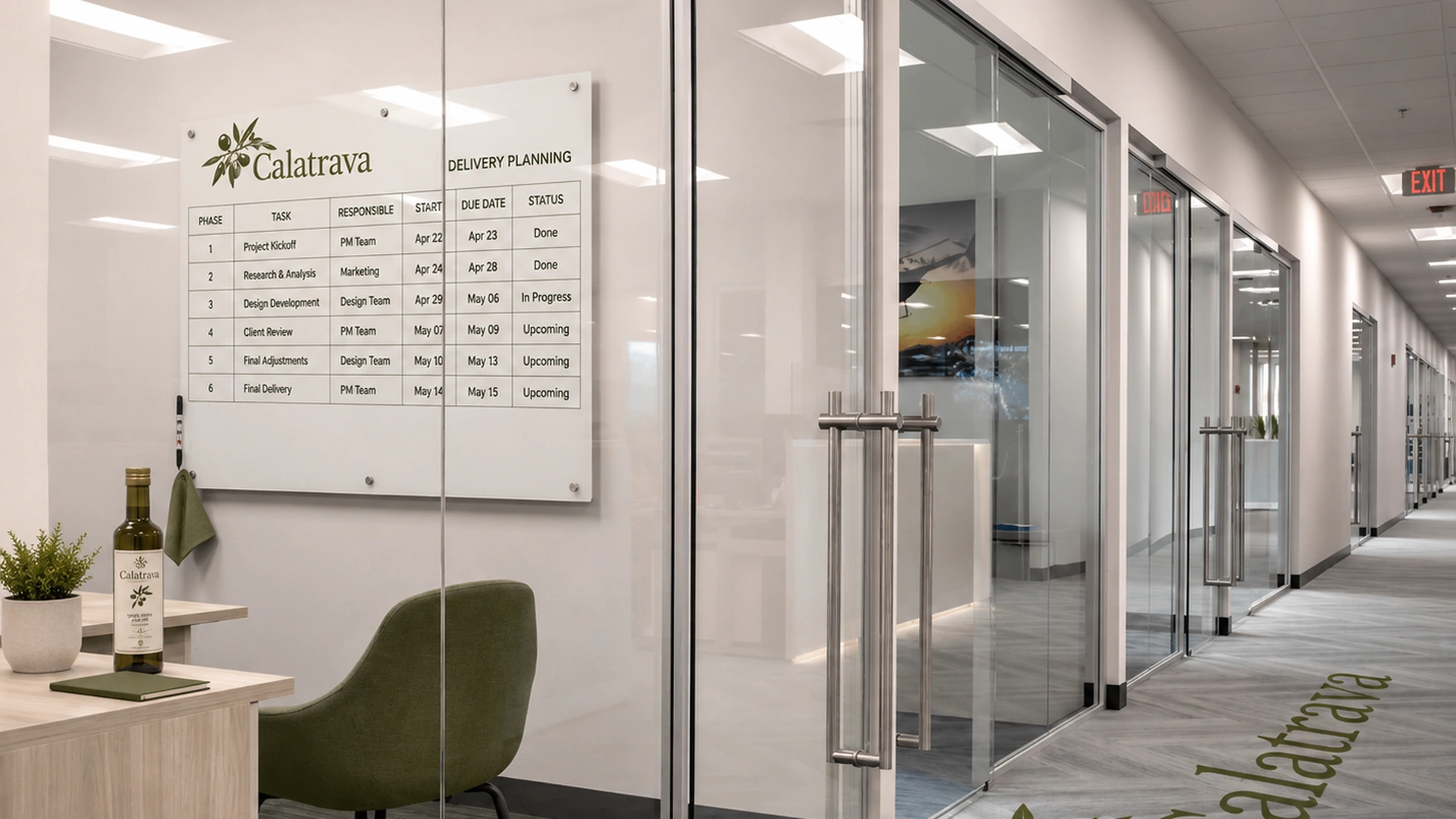
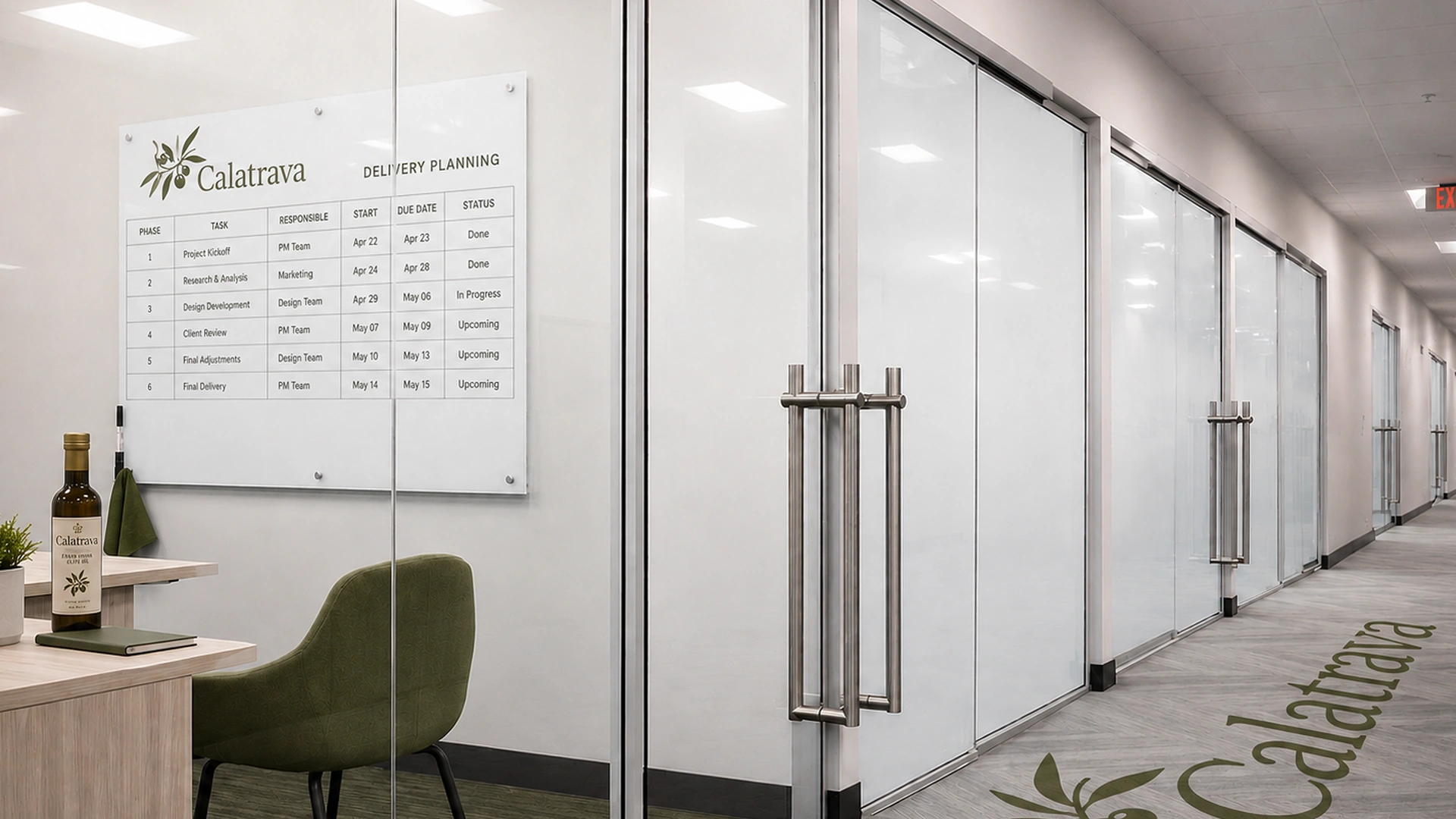
PDLC smart film for existing office glass walls is a practical route when the glass is already installed, visually suitable and structurally sound. Instead of rebuilding a conference room or replacing every glass partition, a retrofit smart film system can help a commercial space move between transparency and privacy as needed.
Why existing glass walls are a strong candidate for PDLC smart film
Commercial interiors often use glass to keep offices bright, open and visually connected. The problem appears when the same glass walls are used for meetings, executive calls, HR conversations, financial reviews, legal work or medical administration. Open glass supports transparency, but it does not always support visual discretion.
That is where retrofit PDLC smart film becomes useful. When the existing glass is in good condition, properly accessible and suitable for film application, the surface can often be upgraded instead of removed. The result is a more flexible workplace: open when the team wants visibility, private when the room needs discretion.
What retrofit PDLC smart film does
PDLC smart film is an electrically controlled privacy film applied to glass. When powered, the film appears clear. When the power is off, it shifts to a private, translucent state that blocks direct visibility while still allowing light to pass through the space.
For offices, this means conference rooms, meeting rooms, private offices and consultation areas can shift between openness and visual discretion without blinds, curtains or permanent frosted glass. The room keeps the architectural value of glass while adding control.
Privacy should be controllable, not permanent.
Glass walls are valuable because they create light, openness and a premium commercial feel. Smart film protects that value by adding privacy only when the room requires it.
Where it works best
Retrofit smart glass film is especially relevant in commercial spaces where the glass already exists and the business needs selective privacy rather than a full redesign.
Conference rooms
Support private meetings, presentations and internal discussions without closing the room permanently.
Executive offices
Keep a bright office profile while adding privacy for calls, reviews and sensitive conversations.
Private consultation rooms
Create controlled privacy in professional, advisory or client-facing spaces.
HR and finance rooms
Limit visual exposure around employment, compensation, document or internal-business discussions.
Legal and professional offices
Maintain a premium glass environment while controlling visibility during confidential reviews.
Healthcare admin areas
Improve discretion in office-side healthcare spaces, administration areas and consultation environments.
Coworking environments
Allow shared offices and flexible suites to adapt between open visibility and private use.
Glass partitions
Upgrade interior glass walls without defaulting to static frost, shades or opaque panels.
Main benefit: privacy without replacing the glass
The strongest commercial advantage is direct: existing glass can often be upgraded without removing the full glass wall. That matters because glass partitions are costly to remove, disruptive to replace and usually integrated into surrounding framing, doors, hardware and office layouts.
Retrofit PDLC smart film can reduce that disruption when the project conditions are right. The existing glass remains in place, and the privacy function is added through film, wiring, transformer planning and control integration. This is why smart film is often the first option to evaluate for existing offices.
Installation requires clean preparation and correct planning
Retrofit projects are not only about placing film on glass. A professional installation requires clean preparation, accurate film sizing, controlled handling, correct wiring, transformer planning and a suitable control method. The glass surface, edges, framing conditions and access around each panel all affect the project route.
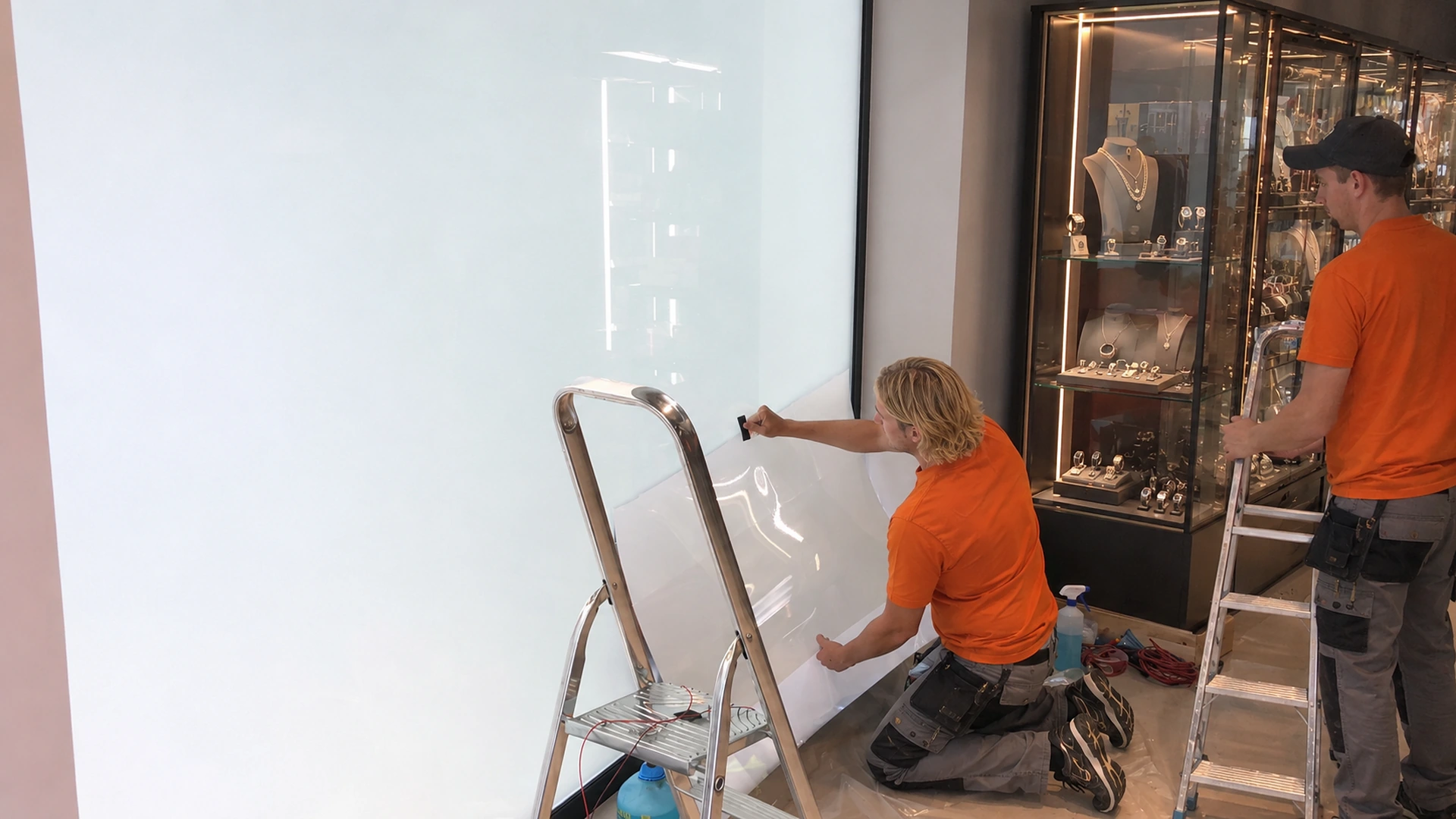
The electrical side must also be reviewed early. Transformer location, cable routing, switching method and access for future service all need to be considered before the film is ordered and installed. Good planning protects the final appearance and avoids improvisation on site.
Executive office privacy without permanent opacity
Private offices are a strong use case because they often need both openness and discretion. A clear glass office can feel modern, visible and connected to the workplace. But the same office may also be used for financial conversations, legal reviews, private calls, team issues or sensitive client meetings.
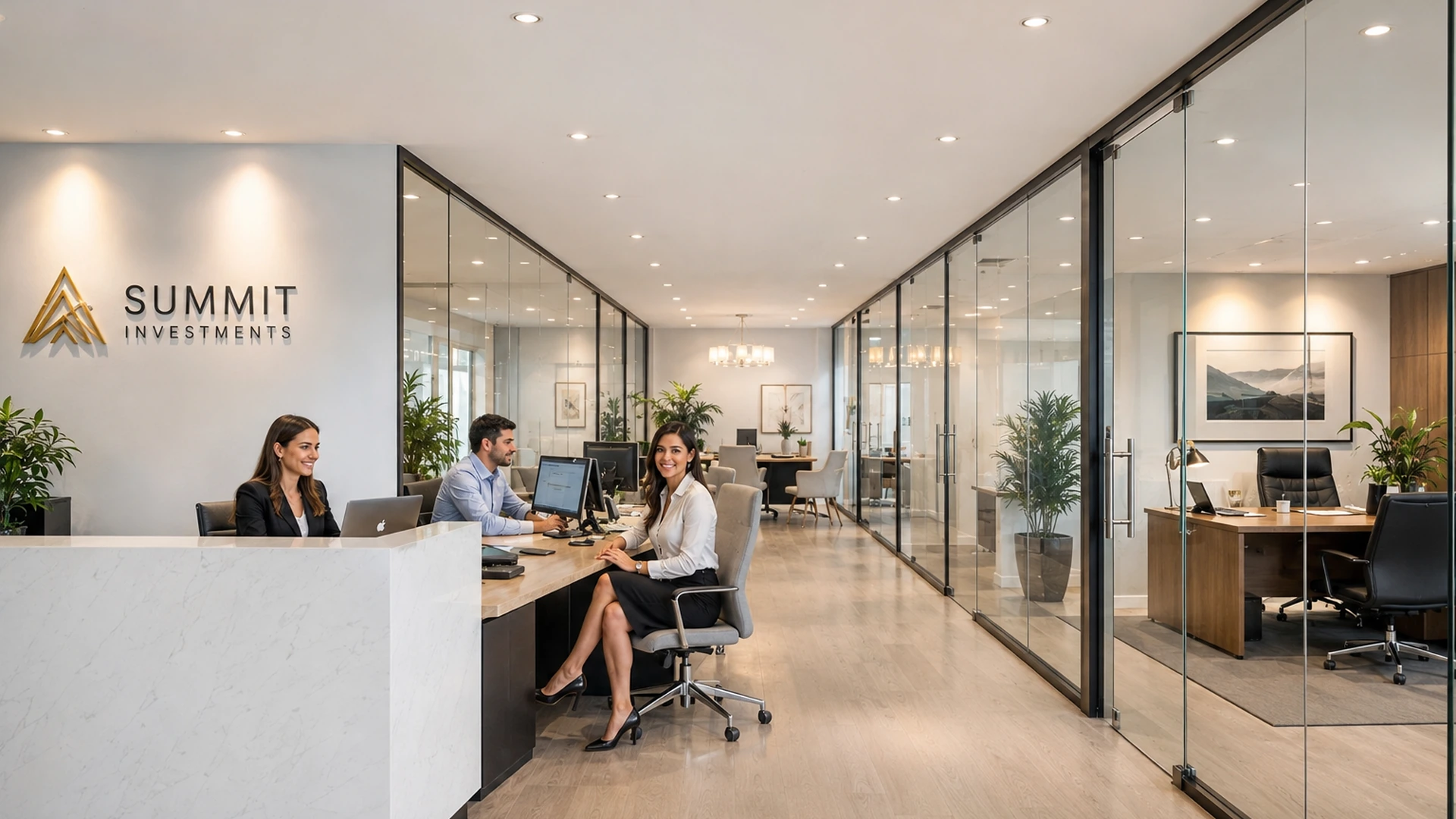
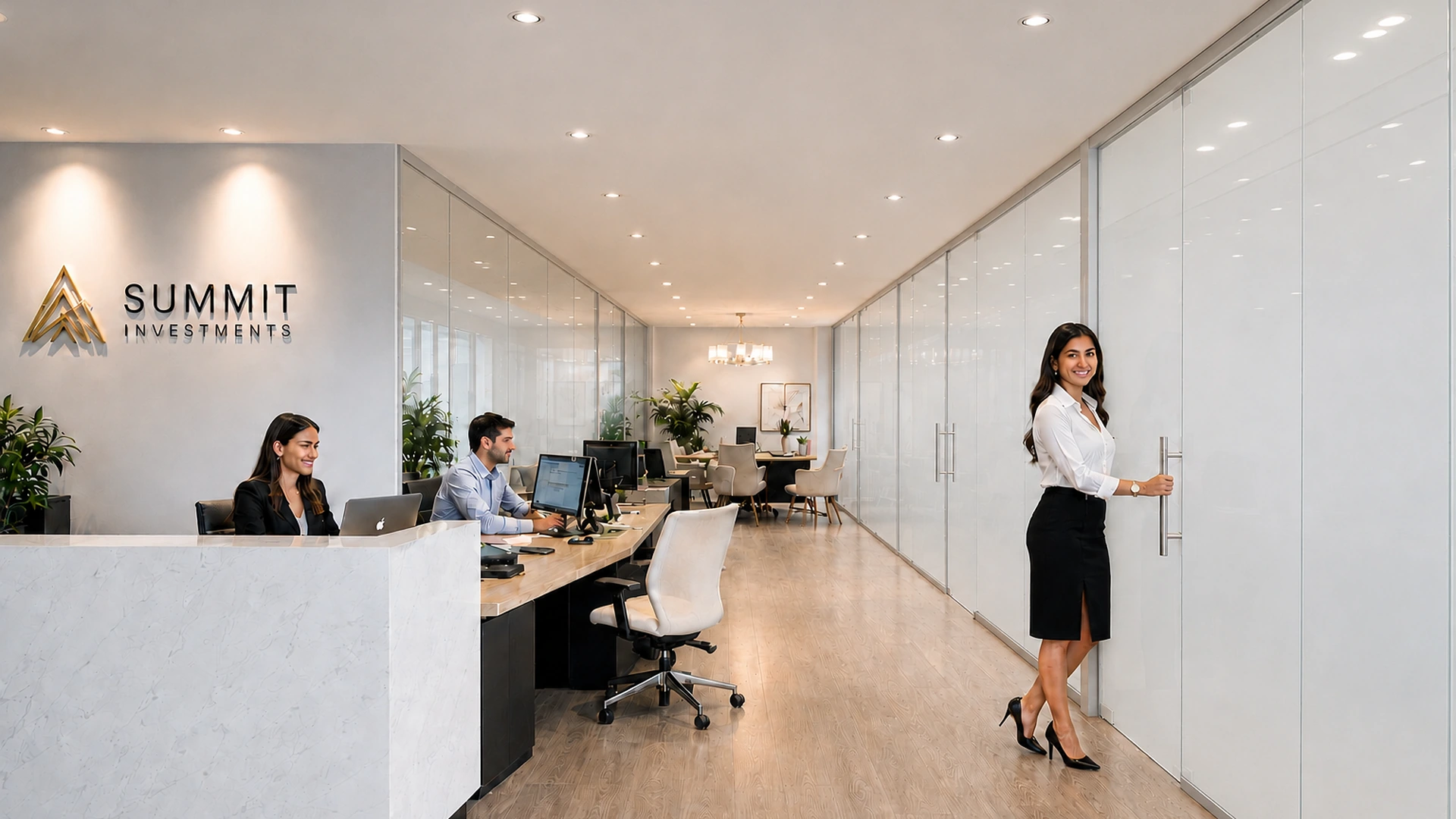
With PDLC smart film, the office can remain open and bright when privacy is not required. When visual discretion matters, the glass can switch to a private state without adding blinds or making the space permanently opaque.
Practical project considerations
Before selecting retrofit smart film, the project should be reviewed technically. The correct route depends on the existing glass, project goals and installation conditions.
Existing glass condition
The glass should be clean, suitable for application and free from issues that would compromise the final finish.
Glass size and access
Panel dimensions, height, framing and access around the glass affect sizing, handling and installation planning.
Wiring path
Cable routing should be planned before installation so the final system looks intentional and professional.
Transformer location
The power supply should be positioned with service access, electrical safety and visual cleanliness in mind.
Control method
Switches, remotes or automation controls should match how the room will actually be used.
Product route
The project should confirm whether smart film or laminated smart glass is the better technical solution.
Smart film vs laminated smart glass
Retrofit PDLC smart film and laminated smart glass solve related privacy problems, but they are not the same product route. Selecting the correct option matters for performance expectations, installation planning and long-term project quality.
Retrofit PDLC smart film
Usually the better route when the glass is already installed, in good condition and accessible. It is commonly used for existing office glass walls, conference rooms, private offices and interior glass partitions.
Switchable laminated smart glass
Usually the better route for new glass partitions, new builds, high-spec architectural projects, wet areas or situations where the glass itself is being replaced or fabricated.
- For existing office glass, review PDLC Smart Film.
- For new fabricated panels, review Switchable Privacy Glass.
- For workplace applications, review Office Privacy Glass.
Planning an office privacy glass project?
Send dimensions, photos and project details so SmartGlass USA can evaluate whether retrofit PDLC smart film or laminated smart glass is the correct solution for your office, conference room or commercial glass wall.